
How Paver Hardscaping Improves Drainage Around Your Home
Hiring local contractors for paver hardscaping can effectively improve drainage around your home by creating properly designed surfaces that direct water away from foundations.
If you’ve been exploring ways to improve drainage around your home, you’re in the right place. Proper drainage is essential for protecting your property from water damage, basement flooding, and landscape erosion. Paver hardscaping offers a practical solution by creating durable surfaces that help direct water flow away from foundations and other vulnerable areas. Property owners in the area often turn to local contractors who specialize in paver hardscaping to design and install systems that enhance both functionality and curb appeal. Keep reading to discover how this approach can make a real difference for your property.
Understanding how paver hardscaping improves drainage around your home can reveal many benefits beyond just water management. Well-designed paver installations can incorporate slopes, permeable surfaces, and drainage channels that work together to prevent pooling and runoff issues. Local service providers experienced in paver hardscaping are equipped to assess your property’s unique needs and recommend solutions tailored to improve drainage effectively. Exploring these options can help you maintain a safer, more stable landscape while adding aesthetic value-making it a smart consideration for any property owner looking to protect their investment.
- **Paver Driveways** - Homeowners experiencing water pooling or poor drainage around their driveway can benefit from paver hardscaping, with local contractors designing permeable surfaces that facilitate better runoff management.
- **Patio and Walkway Installations** - When existing walkways cause water to collect or flow improperly, local service providers can install paver systems that improve drainage and prevent erosion.
- **Retaining Walls with Pavers** - Properties with uneven terrain or soil erosion issues may need retaining walls built with pavers, which help control water flow and reduce runoff problems.
- **Drainage Channels and Grading** - For homes with poor land grading, local pros can incorporate paver-lined drainage channels to direct water away from foundations and prevent basement flooding.
- **Courtyard Paver Installations** - In areas prone to excess water accumulation, paver courtyards can be designed to enhance water absorption and improve overall drainage around the home.
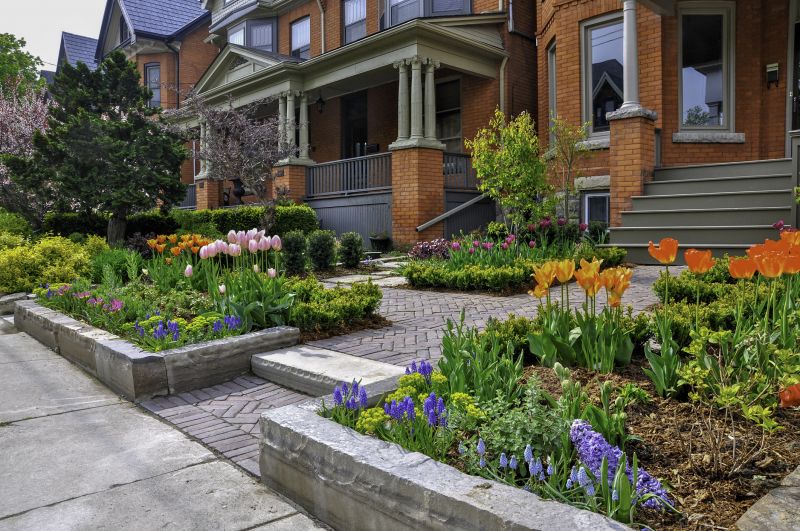
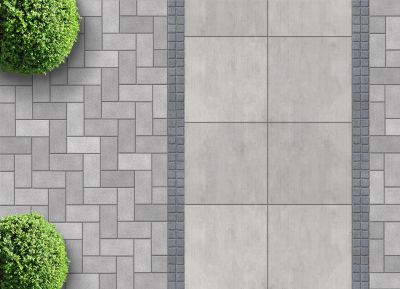
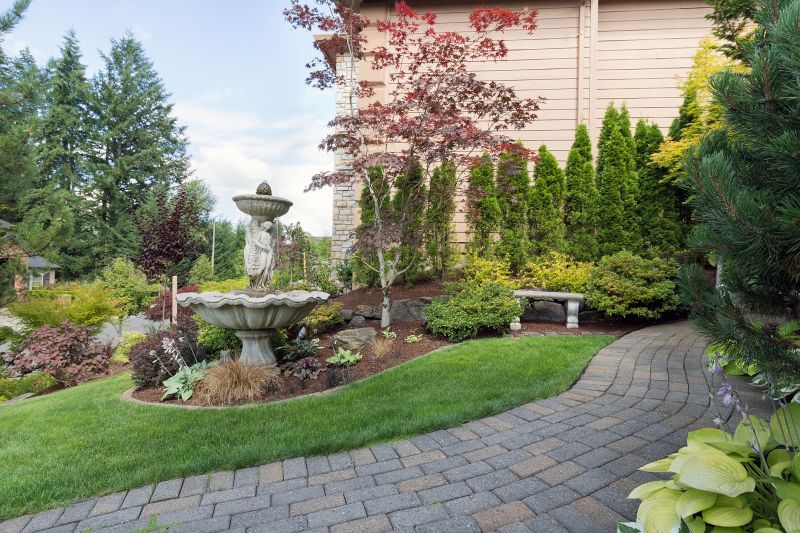
When homeowners search for how paver hardscaping improves drainage around their home, they are often looking for practical solutions to manage water flow and prevent issues caused by excess moisture. This topic typically comes up in the context of addressing common drainage problems such as pooling water in yards, erosion along foundations, or water seeping into basements. Many property owners are also planning landscape upgrades or driveway renovations and want to include features that help direct water away from critical areas. Understanding the role of paver hardscaping in drainage helps homeowners identify ways to protect their property while enhancing its appearance and functionality.
This subject relates closely to property concerns like water runoff, soil erosion, and foundation stability. Poor drainage can lead to costly repairs and damage, making it a priority for many homeowners. When considering paver hardscaping, the focus is often on creating surfaces that facilitate proper water movement. This includes designing patios, walkways, or driveways with appropriate slope and drainage pathways. Homeowners may also explore options for integrating drainage channels or permeable pavers that allow water to pass through, reducing pooling and directing moisture away from the home’s foundation.
The types of properties where paver hardscaping for drainage is most commonly applied tend to be residential homes with yards, driveways, or outdoor living areas. These properties often have varied terrain that can cause water to collect in certain spots, especially on sloped or uneven ground. Homes with expansive lawns, landscaped gardens, or multiple levels benefit from hardscaping features that help manage water flow effectively. Urban or suburban properties with limited space may also use paver hardscaping to create functional surfaces that prevent water from pooling on walkways or near entrances, ultimately protecting the home’s structure and landscaping.
Local contractors specializing in paver hardscaping can assess a property’s unique drainage needs and recommend tailored solutions. They typically work with homeowners to design hardscaping features that improve water runoff management, such as sloped patios, permeable paver systems, or integrated drainage channels. These professionals bring practical experience in installing durable, well-graded surfaces that help direct water away from foundations and prevent erosion. By partnering with local service providers, homeowners can ensure that their paver hardscaping projects not only enhance the visual appeal of their outdoor spaces but also contribute significantly to effective drainage and long-term property protection.
Retaining wall construction - building retaining walls involves planning and installing durable structures that help manage water flow and prevent erosion around your property.
Drainage system installation - local contractors can design and install effective drainage solutions that complement paver hardscaping to improve water runoff management.
Landscape grading services - grading adjusts the slope of the land to direct water away from the home, working alongside paver hardscaping to enhance drainage control.
Patio and walkway paving - installing paved surfaces requires precise planning to ensure proper slope and drainage, reducing standing water issues.
Soil and base preparation - preparing the ground properly ensures that paver installations promote effective water flow and prevent pooling around the home.
Water feature and drainage basin design - designing and installing water features or basins can help manage excess water and improve overall drainage around hardscaped areas.
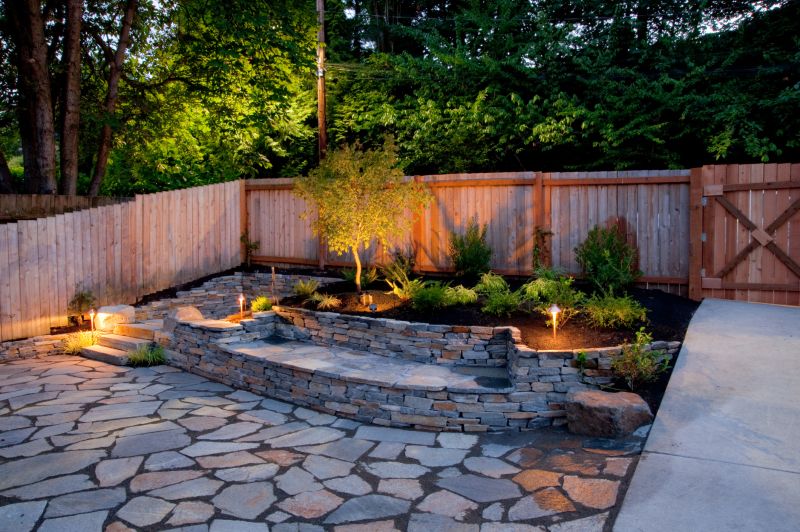
When evaluating local contractors for paver hardscaping projects aimed at improving drainage around a home, experience with similar projects is an important factor to consider. Homeowners should look for service providers who have a proven track record of designing and installing paver hardscaping that effectively manages water runoff and prevents pooling issues. Asking for examples of past work or references related to drainage solutions can help determine if the contractor understands the specific challenges involved in creating durable, properly graded surfaces that promote proper water flow away from the foundation.
Clear written expectations are essential to ensure that both parties are aligned on the scope and quality of the work. Homeowners should seek service providers who can provide detailed proposals that outline the materials to be used, the installation process, and how the design will address drainage concerns. Having a transparent plan helps prevent misunderstandings and sets a foundation for a successful project, especially when it comes to creating a paver hardscape that effectively channels water and minimizes potential issues with water infiltration or erosion.
Reputable references and good communication are key indicators of a trustworthy local contractor. Homeowners are encouraged to inquire about references from previous clients, particularly those who had similar drainage or hardscaping needs. Additionally, service providers who are responsive and willing to discuss project details clearly can better accommodate questions and adjustments along the way. Choosing a contractor who communicates well and has positive references can increase confidence that the project will be handled professionally, resulting in a durable paver hardscape that enhances drainage around the home.
Property owners often search for how paver hardscaping improves drainage around your home when they are planning practical projects around their homes and businesses. Local pros provide Paver Hardscaping services for everyday jobs and straightforward project options.
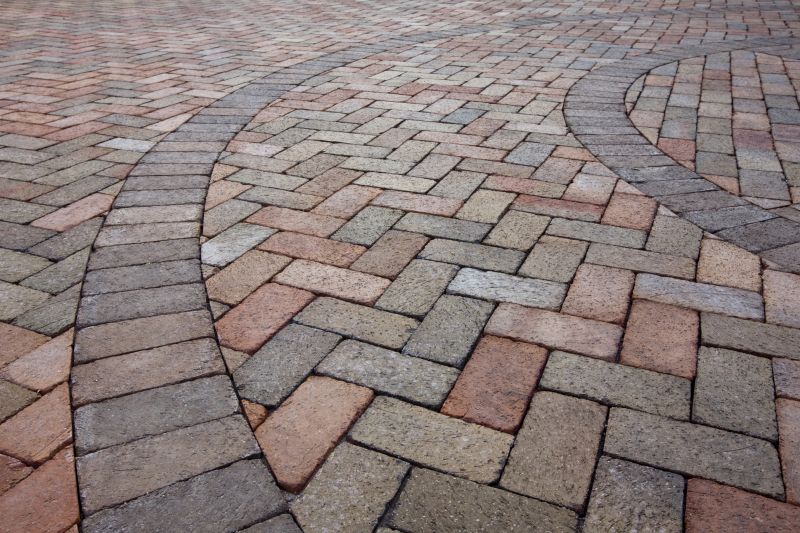
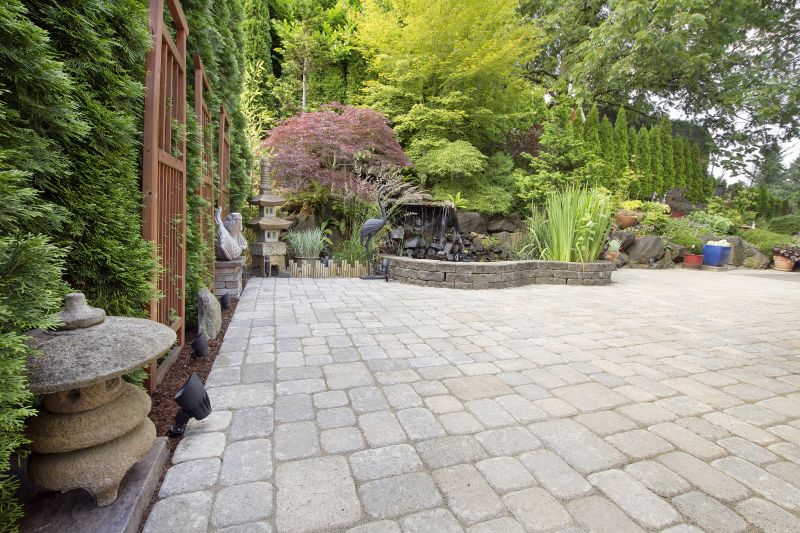
Many property owners in the area are discovering that paver hardscaping can be an effective way to manage water runoff and prevent pooling around their homes. When rainwater isn’t properly directed, it can lead to soggy lawns, erosion, and even foundation issues over time. Installing paver areas such as patios, walkways, or driveways creates a permeable surface that allows water to drain more efficiently, reducing the risk of standing water and helping to keep yards dry and stable. Local contractors skilled in paver hardscaping can assess properties to design solutions that improve drainage while enhancing curb appeal.
Homeowners often look into paver hardscaping services because they want a practical, long-lasting solution to drainage problems that also adds visual appeal. Paver installations can be customized to fit the terrain and specific drainage needs of a property, making them a versatile choice for managing water flow. By working with experienced local service providers, property owners can ensure that the hardscape features are built with proper grading and drainage considerations in mind. This approach helps to protect the home’s foundation and landscaping, making paver hardscaping a smart addition for those aiming to improve their property’s drainage and overall functionality.
How does paver hardscaping improve drainage around my home? Paver hardscaping helps improve drainage by creating permeable surfaces that allow water to pass through, reducing runoff and pooling around your foundation.
Can paver hardscaping prevent water from pooling near my home? Yes, properly installed paver systems can direct water away from your home’s foundation and prevent pooling by incorporating drainage pathways and slopes.
What features do local contractors include to enhance drainage with pavers? Local service providers often incorporate drainage channels, sand beds, and proper slope grading to ensure effective water runoff and infiltration.
Is paver hardscaping effective for managing heavy rain or stormwater? When designed correctly, paver hardscaping can handle stormwater efficiently by allowing water to seep into the ground or flow into designated drainage areas.
How can I ensure my paver hardscaping improves drainage around my home? Consulting with experienced local contractors ensures the installation includes proper grading, drainage features, and permeable materials for optimal water management.
Proper slope and grading - Local contractors can design paver hardscaping that directs water away from your home's foundation to prevent pooling and water damage.
Permeable paver installation - Installing permeable pavers allows water to seep through the surface, reducing runoff and improving drainage around the property.
Drainage channels and catch basins - Including drainage features within paver projects helps manage excess water and prevents flooding during heavy rains.
Strategic paver patterning - Choosing patterns that promote water flow and avoid pooling can enhance overall drainage efficiency around your home.
If you are thinking about how paver hardscaping improves drainage around your home for a property, this guide is meant to help you understand this topic, the typical project types, and how different options might fit your plans.
When you are ready, you can use the quote form on this page to share a few details about your project. From there, local pros can review the basics and follow up with options that match what you have in mind.